
Poultry Farming and Circular Food Economies: All pannel.com, New betting id, Gold365
all pannel.com, new betting id, gold365: Poultry farming is an essential component of the agricultural industry, providing us with a vital source of protein in the form of chicken, turkey, and other poultry products. As the world’s population continues to grow, the demand for poultry products is also increasing. However, the way in which we produce and consume these products has significant environmental and economic implications.
Circular food economies have gained traction in recent years as a sustainable solution to our global food system challenges. They aim to reduce waste, increase efficiency, and promote the reuse of resources within the food production cycle. Poultry farming has a crucial role to play in the transition towards a circular food economy, and there are several ways in which the industry can contribute to this shift.
1. Sustainable Feed Production
One of the key aspects of poultry farming is feed production, as it accounts for a significant portion of the environmental impact of poultry production. By sourcing feed from sustainable sources, such as regenerative agriculture practices or food waste recycling, poultry farmers can reduce their carbon footprint and support the circular economy.
2. Efficient Resource Management
Poultry farms can also contribute to a circular food economy by implementing efficient resource management practices. This includes recycling waste materials, such as manure, into valuable resources like fertilizer or energy. By closing the loop on resource use, poultry farms can reduce waste and improve overall efficiency.
3. Local Supply Chains
Another way in which poultry farming can support circular food economies is through the development of local supply chains. By working with local producers and consumers, poultry farmers can reduce transportation emissions, support the local economy, and build resilience in the face of global food system disruptions.
4. Diversification of Products
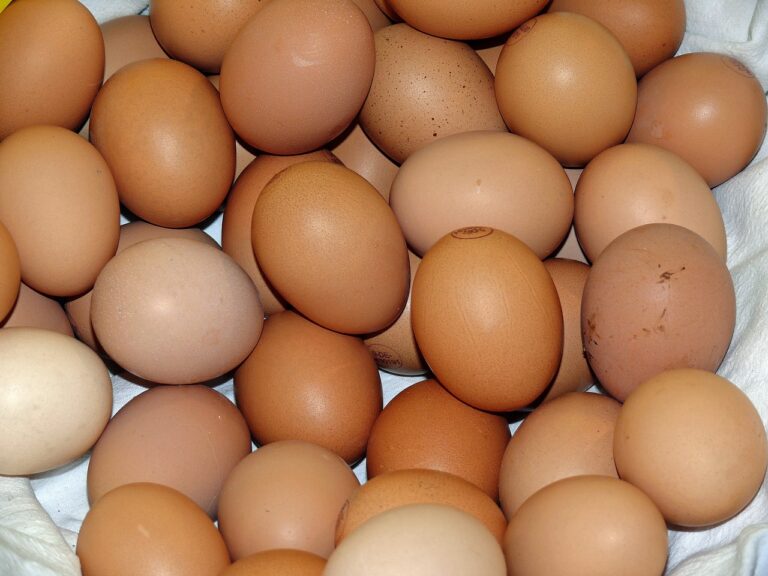
In addition to traditional poultry products, farmers can also explore diversifying their product offerings to include value-added products like eggs, feathers, or organic fertilizer. This can help farmers tap into new markets, increase revenue streams, and reduce waste by utilizing all parts of the poultry production cycle.
5. Collaboration and Innovation
Collaboration and innovation are key drivers of a circular food economy. Poultry farmers can work together with researchers, policymakers, and other stakeholders to develop new technologies, practices, and business models that promote sustainability and resilience in the food system.
6. Consumer Education
Lastly, consumer education plays a crucial role in transitioning towards a circular food economy. By raising awareness about the environmental and economic benefits of supporting sustainable poultry farming practices, consumers can make informed choices that drive positive change in the industry.
In conclusion, poultry farming has a significant role to play in the transition towards a circular food economy. By implementing sustainable practices, efficient resource management, local supply chains, product diversification, collaboration, innovation, and consumer education, poultry farmers can contribute to a more sustainable and resilient food system for future generations.
FAQs
1. What are the environmental benefits of poultry farming in a circular food economy?
Poultry farming in a circular food economy can help reduce waste, lower carbon emissions, and promote efficient resource use. By implementing sustainable practices, farmers can minimize their environmental impact and contribute to a more sustainable food system.
2. How can consumers support sustainable poultry farming practices?
Consumers can support sustainable poultry farming practices by choosing products from farms that prioritize sustainability, such as organic or pasture-raised options. By purchasing locally-produced poultry products and educating themselves about sustainable farming practices, consumers can drive demand for more environmentally-friendly products in the market.
3. What are some examples of innovative practices in sustainable poultry farming?
Innovative practices in sustainable poultry farming include using alternative feed sources, implementing regenerative agriculture techniques, utilizing waste materials for energy or fertilizer, and collaborating with other stakeholders to improve overall sustainability in the industry. By embracing new technologies and approaches, poultry farmers can reduce their environmental impact and improve efficiency in their operations.