
Stem Cell Treatment in India: A Comprehensive Overview
Stem cell therapy has emerged as a revolutionary approach in modern medicine, offering potential solutions for various chronic and degenerative conditions. India has become a prominent destination for stem cell treatments, attracting both domestic and international Stem Cell Treatment India patients due to its advanced medical infrastructure and cost-effective services.
Understanding Stem Cell Therapy
Stem cells are unique, undifferentiated cells capable of transforming into specialized cell types. This ability allows them to repair or replace damaged tissues and organs. Stem cell therapy involves harvesting these cells from sources like bone marrow, adipose tissue, or umbilical cord blood, and introducing them into the patient’s body to promote healing and regeneration.
Conditions Treated with Stem Cell Therapy in India
Indian medical centers offer stem cell treatments for a wide range of conditions, including:
-
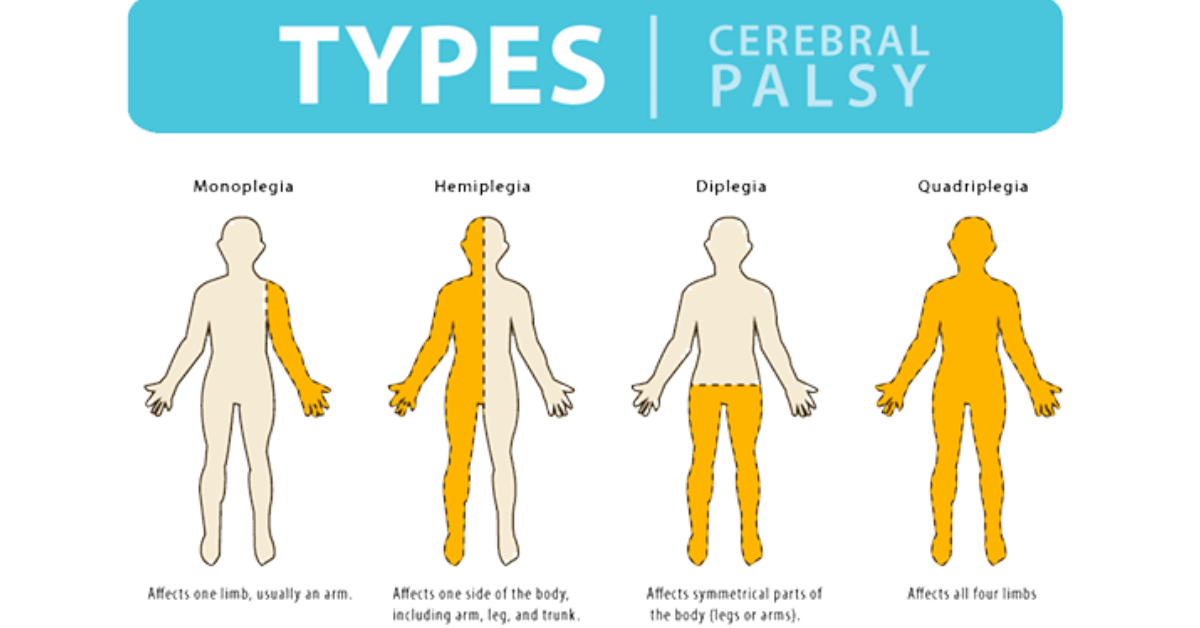
Neurological Disorders: Cerebral palsy, Parkinson’s disease, spinal cord injuries, and autism.
-
Metabolic Diseases: Type 1 and Type 2 diabetes.
-
Renal Conditions: Chronic kidney failure.
-
Musculoskeletal Issues: Muscular dystrophy, knee problems, and osteoarthritis.
-
Cardiovascular Diseases: Post-heart attack cardiac damage.
-
Dermatological Concerns: Hair loss and skin ulcers.
These treatments aim to enhance the body’s natural healing processes, potentially improving the quality of life for patients with conditions that were previously considered untreatable.
Advantages of Seeking Stem Cell Therapy in India
India offers several benefits for patients considering stem cell therapy:
-
Affordability: Treatment costs in India are significantly lower compared to Western countries, making it accessible to a broader population.
-
Advanced Medical Facilities: Many Indian hospitals are equipped with state-of-the-art technology and adhere to international standards.
-
Experienced Medical Professionals: India boasts a large pool of highly trained and experienced doctors specializing in regenerative medicine.
-
Comprehensive Care: Patients receive holistic care, including pre-treatment evaluations, therapy sessions, and post-treatment follow-ups.
Cost of Stem Cell Therapy in India
The cost of stem cell therapy in India varies based on the condition being treated, the type of therapy, and the medical facility. Approximate cost ranges include:
-
Blood Cancer: ₹8.6 lakhs to ₹20 lakhs.
-
Spinal Cord Injury: ₹5 lakhs to ₹5.5 lakhs.
-
Kidney Failure: ₹3.94 lakhs to ₹4.87 lakhs.
-
Knee Problems: ₹4.75 lakhs to ₹6 lakhs.
-
Parkinson’s Disease: ₹5.8 lakhs to ₹10 lakhs.
-
Cerebral Palsy: ₹5.71 lakhs to ₹7.62 lakhs.
-
Autism: ₹3.3 lakhs to ₹4.7 lakhs.
-
Hair Loss: ₹2.15 lakhs to ₹7 lakhs.
These costs are indicative and can vary based on individual patient needs and treatment protocols.
Regulatory Framework and Ethical Considerations
The Indian Council of Medical Research (ICMR) and the Department of Biotechnology (DBT) have established guidelines to regulate stem cell research and therapy in India. These guidelines emphasize ethical practices, patient safety, and the necessity of clinical trials to validate treatment efficacy. However, challenges persist in ensuring compliance across all medical facilities, highlighting the importance of choosing accredited and reputable clinics.
Selecting the Right Medical Facility
When considering stem cell therapy in India, patients should:
-
Research Credentials: Verify the clinic’s accreditation, the qualifications of medical professionals, and the facility’s track record.
-
Understand Treatment Protocols: Ensure that the clinic follows standardized procedures and offers personalized treatment plans.
-
Evaluate Infrastructure: Opt for facilities equipped with modern technology and comprehensive care units.
-
Seek Patient Testimonials: Reviews and testimonials can provide insights into the clinic’s success rates and patient satisfaction.
Conclusion
India’s advancements in stem cell therapy present promising opportunities for patients seeking innovative treatments for various chronic conditions. With its combination of skilled medical professionals, advanced infrastructure, and cost-effective services, India stands as a global hub for regenerative medicine. However, patients are advised to conduct thorough research and consult with healthcare professionals to make informed decisions regarding their treatment options.