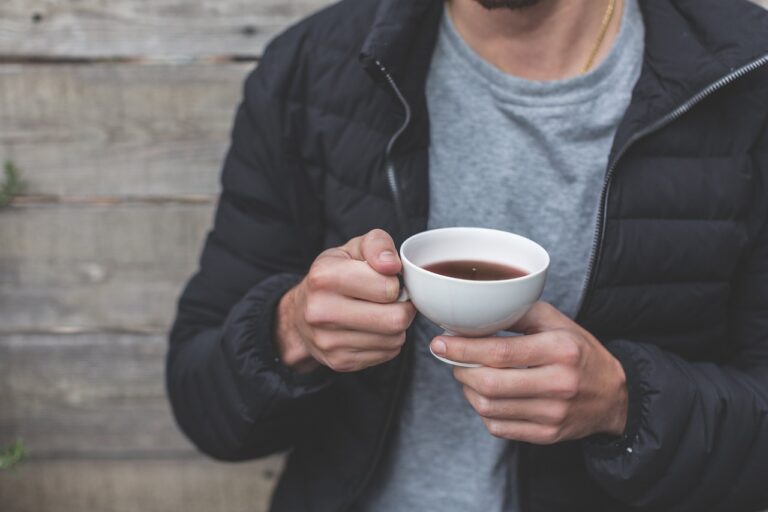

Tea Tasting 101: A Beginner’s Guide to Developing Your Palate: Play99exch, Lotus exchange login, Playexch.in
play99exch, lotus exchange login, playexch.in: Tea tasting is an art that requires practice, patience, and an open mind. Just like with wine or coffee, developing your palate for tea can be a rewarding experience that allows you to appreciate the nuances and complexities of different tea varieties. Whether you’re a novice tea drinker or a seasoned connoisseur, there are always new flavors and aromas to discover. In this beginner’s guide to tea tasting, we’ll explore the key steps to help you refine your palate and elevate your tea-drinking experience.
1. Choose the Right Tea: One of the first steps in tea tasting is selecting high-quality teas from reputable sources. Look for loose-leaf teas from trusted vendors that specialize in premium teas. Avoid tea bags, as they often contain lower-grade leaves and may not provide the best tasting experience.
2. Use Good Water: The quality of the water you use can greatly impact the taste of your tea. Use filtered or spring water for the best results, as tap water with high mineral content can alter the flavor of your brew.
3. Brew with Care: Pay attention to the brewing instructions for each tea variety, as different teas require different brewing times and temperatures. Over-steeping or using water that is too hot can result in a bitter or astringent brew.
4. Engage Your Senses: When tasting tea, use all your senses to fully experience the tea. Observe the color, aroma, and clarity of the tea liquor. Take note of the texture and mouthfeel of the tea on your palate.
5. Taste Mindfully: Sip the tea slowly and let it linger on your palate. Note the different flavors and aromas that you detect, such as floral, fruity, vegetal, or earthy notes. Try to describe these sensations in your own words.
6. Compare and Contrast: To hone your palate, try tasting different teas side by side. Compare the flavors, aromas, and textures of each tea to develop a better understanding of the nuances and differences between them.
7. Keep a Tasting Journal: As you explore different teas, keep a tasting journal to record your observations and experiences. Note the tea variety, brewing parameters, and your thoughts on the flavor profile. This will help you track your progress and refine your palate over time.
FAQs
Q: How should I store my tea to maintain its freshness?
A: To preserve the freshness of your tea, store it in an airtight container away from light, heat, and moisture. Keep it in a cool, dark place, such as a pantry or cupboard.
Q: How can I improve my tasting skills?
A: Practice makes perfect when it comes to tea tasting. Keep trying new teas, experimenting with different brewing methods, and honing your sensory skills through mindful tasting sessions.
Q: Are there any specific tools I need for tea tasting?
A: While you don’t need fancy equipment to taste tea, having a set of tasting cups, a tea timer, and a tasting journal can enhance your tea-tasting experience and help you develop your palate more effectively.
In conclusion, tea tasting is a journey of exploration and discovery that can enrich your appreciation for this ancient beverage. By following these tips and guidelines, you can develop a discerning palate and unlock the rich flavors and aromas of different tea varieties. So grab your teacup, brew a fresh pot of tea, and embark on a sensory adventure that will elevate your tea-drinking experience to new heights. Cheers to enjoying the world of tea!