
Understanding Seasonality in Fashion Wholesale: 99 exchange bet, Laser247 register, Yolo247
99 exchange bet, laser247 register, yolo247: Understanding Seasonality in Fashion Wholesale
If you’re in the fashion wholesale business, you know that keeping up with seasonal trends is crucial to staying ahead in the industry. Understanding seasonality in fashion wholesale can help you make informed decisions about your inventory, marketing strategies, and more. In this blog post, we’ll break down the basics of seasonality in fashion wholesale and how you can use it to your advantage.
The Basics of Seasonality
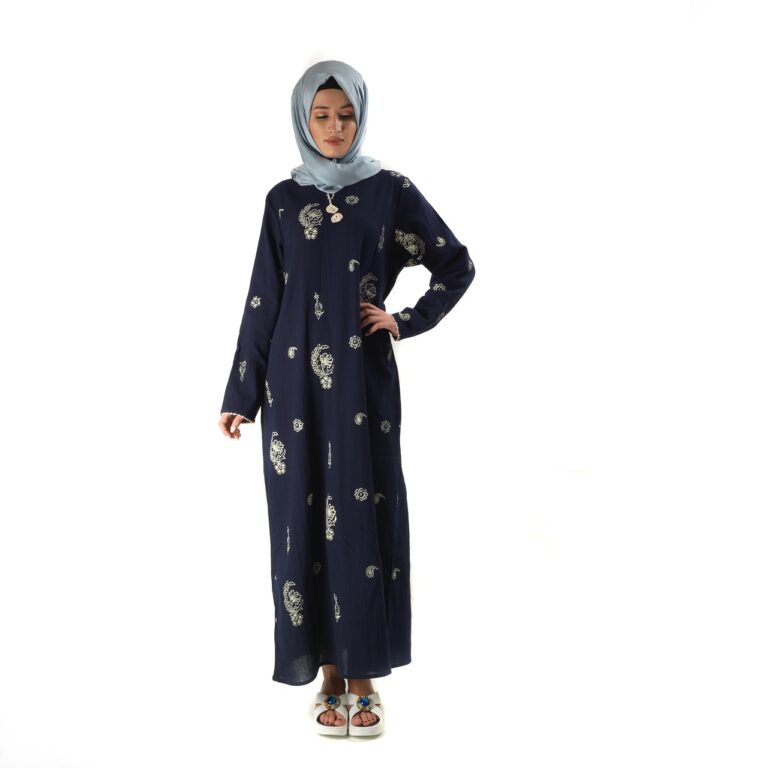
Seasonality in fashion refers to the cyclical nature of trends and consumer preferences that change with the seasons. For example, lightweight fabrics and bright colors are popular in the spring and summer, while darker hues and heavier materials are favored in the fall and winter. By understanding these seasonal trends, fashion wholesalers can stock their inventory with items that are more likely to sell during specific times of the year.
How Seasonality Affects Fashion Wholesale
Seasonality can have a significant impact on fashion wholesale businesses in several ways. For starters, it can influence the types of products that wholesalers should stock. By aligning your inventory with seasonal trends, you can ensure that you have the right products available when consumers are looking to make purchases.
Seasonality can also affect marketing strategies. For example, you may want to focus on promoting lightweight dresses and sandals in the spring and summer, while shifting your focus to coats and boots in the fall and winter. By tailoring your marketing efforts to seasonal trends, you can better reach your target audience and drive sales.
Tips for Navigating Seasonality in Fashion Wholesale
Here are a few tips to help you navigate seasonality in fashion wholesale:
1. Stay ahead of trends by attending fashion shows and following industry publications.
2. Work closely with your suppliers to ensure that you have the right inventory available at the right time.
3. Monitor sales data and consumer behavior to identify seasonal buying patterns.
4. Plan your marketing strategies in advance to capitalize on seasonal trends.
5. Consider offering promotions or discounts to clear out seasonal inventory.
6. Stay flexible and be prepared to adapt to changing trends and consumer preferences.
FAQs
Q: How can I predict seasonal trends in fashion wholesale?
A: You can predict seasonal trends by staying informed about the latest fashion news, attending industry events, and analyzing sales data from previous seasons.
Q: How should I adjust my inventory for seasonal changes?
A: You should adjust your inventory based on seasonal trends, stocking items that align with the current season’s preferences.
Q: What are some common mistakes to avoid in fashion wholesale seasonality?
A: Some common mistakes to avoid include overstocking on seasonal items, failing to plan ahead for seasonal changes, and neglecting to adjust your marketing strategies for seasonal trends.
By understanding seasonality in fashion wholesale and planning accordingly, you can set your business up for success in a competitive industry. Stay informed, stay flexible, and always be prepared to adapt to changing trends.